Willow desk · care guide
Bat care & warranty
A prepared bat still needs a careful playing-in period. Natural willow can show small marks while it settles; how the bat is used affects its life.
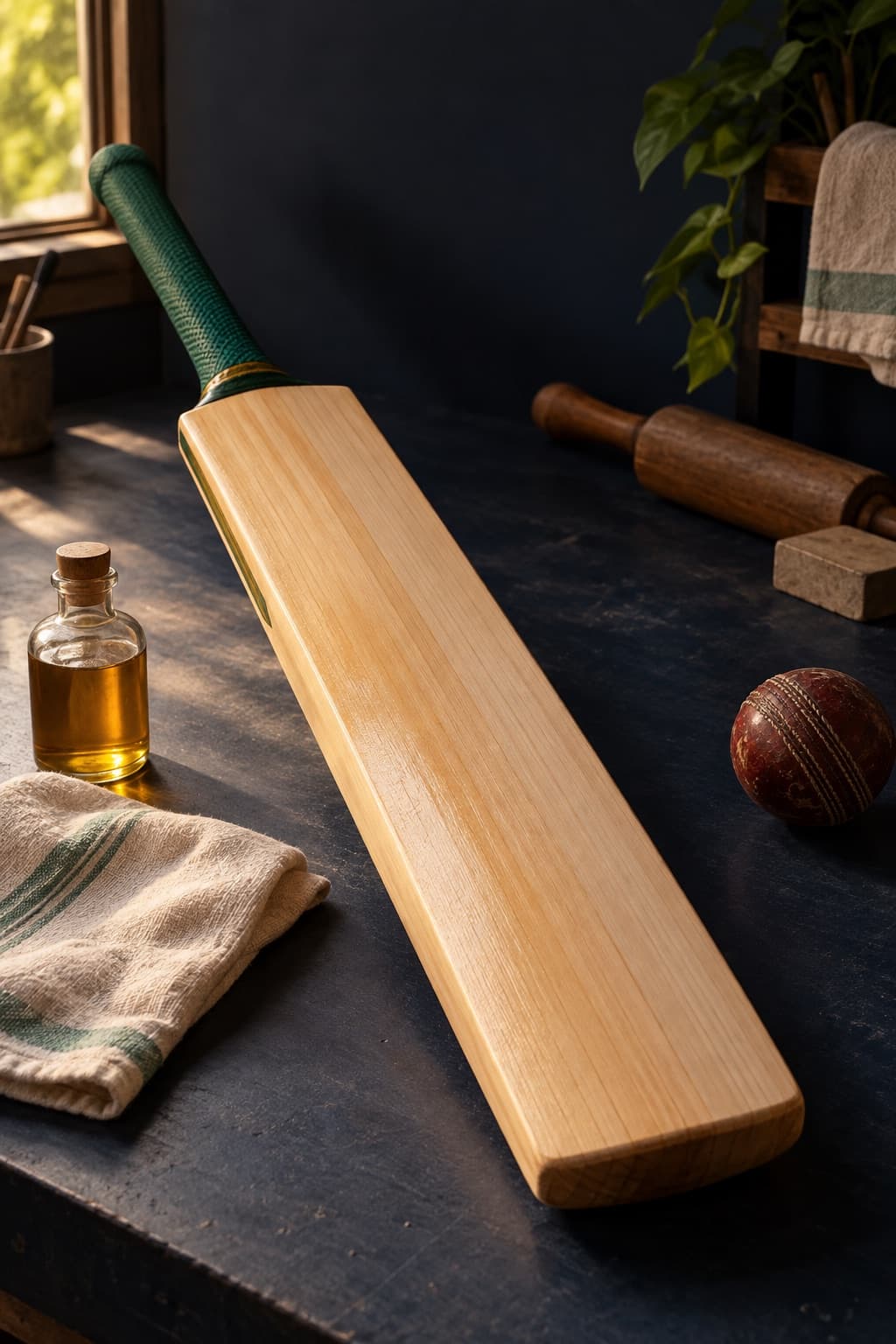
01 · prepare
Oil, knock, then play in
Machine work is a starting point. Build up from an older ball before match use.
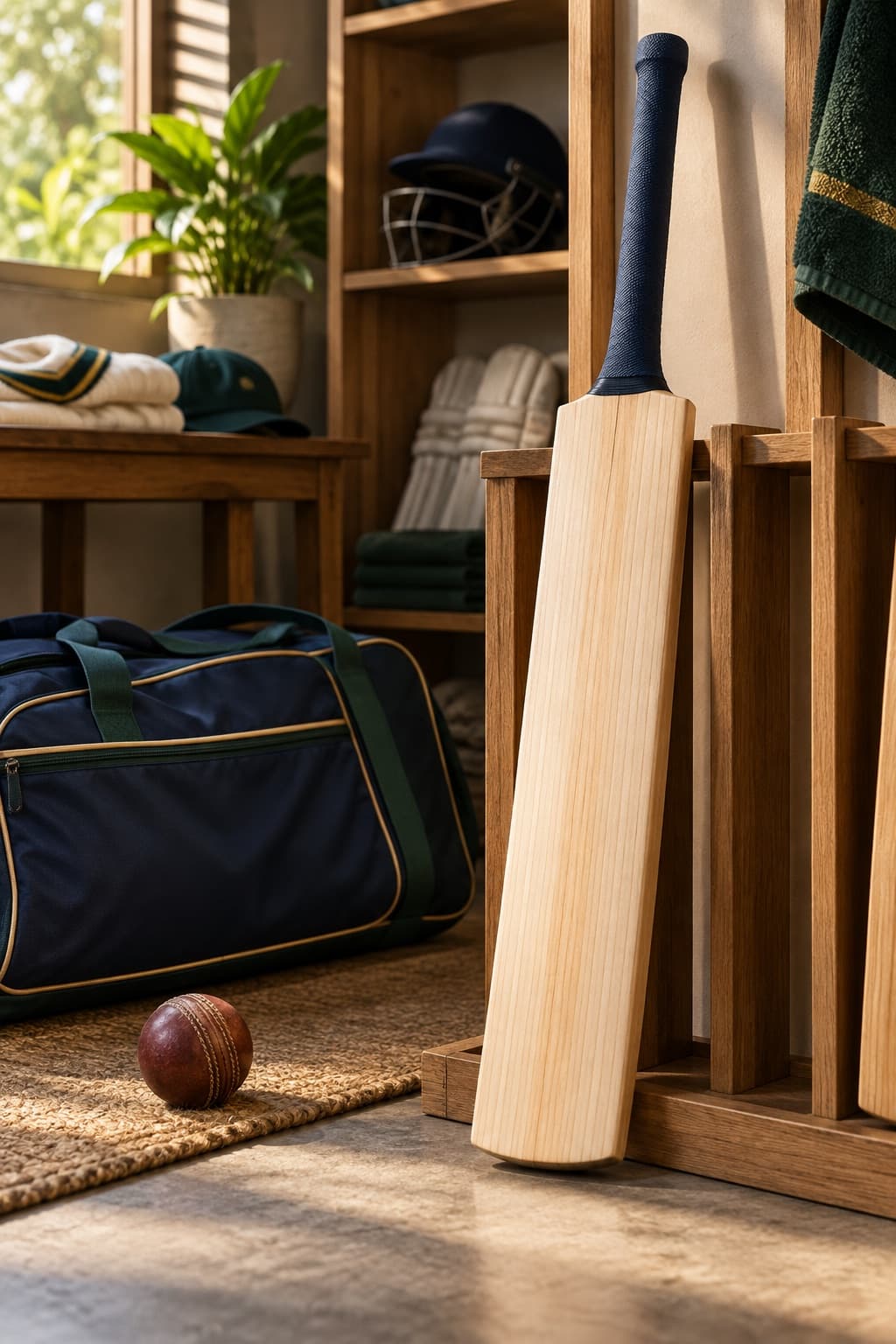
02 · protect
Store it dry
Keep willow away from heat, direct sun, damp kit bags, and sudden moisture.
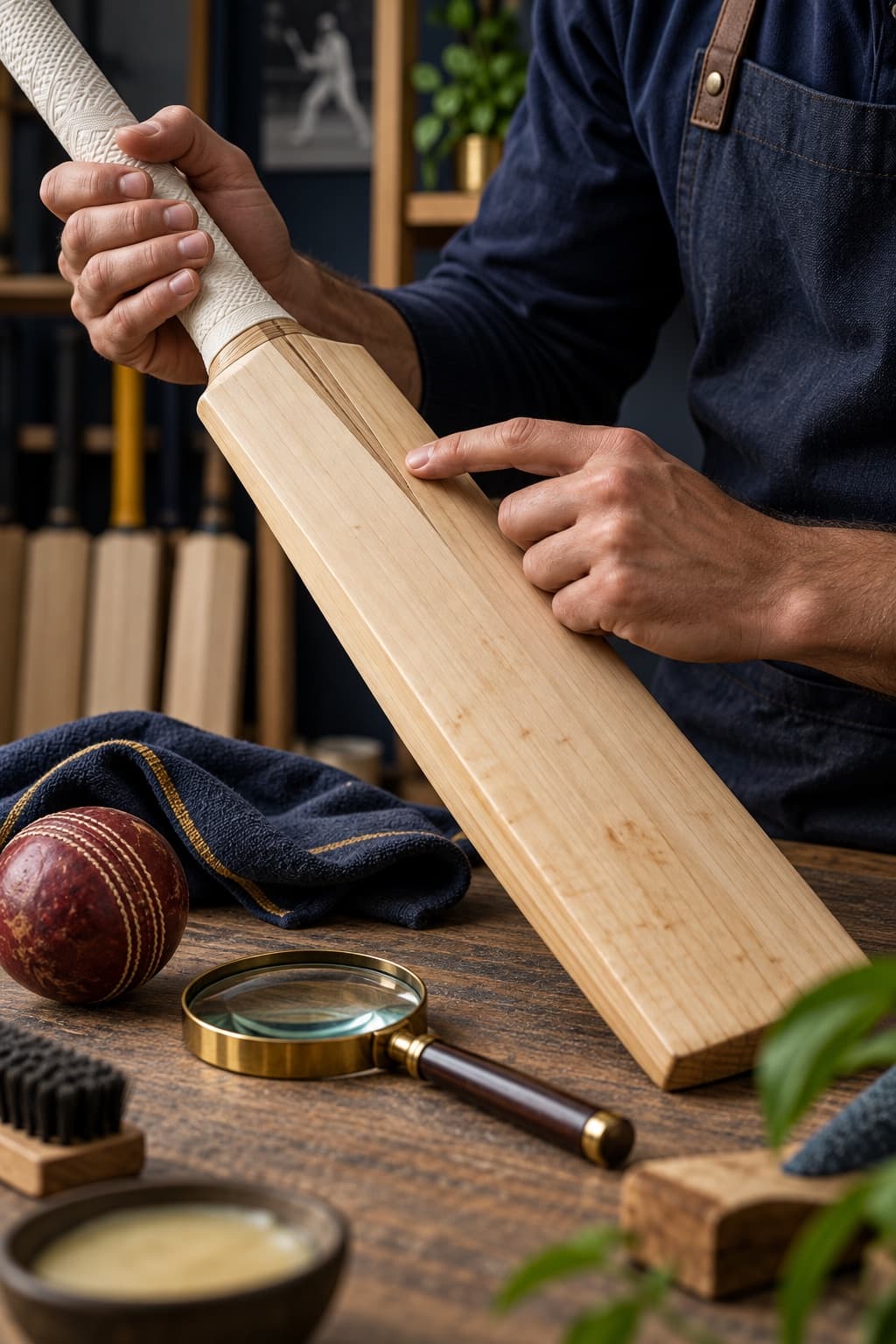
03 · inspect
Pause before a claim
Stop using a damaged bat and send clear evidence before repairing or altering it.
If you choose knocking or oiling
The service may include linseed oiling and machine knocking across the playing area, edges, and toe. Machine work is a starting point, not a guarantee that the bat is ready for a hard new ball. Continue the playing-in process with an older, softer ball and increase intensity gradually before match use.
Keep the bat healthy
- Store it dry and away from direct sun, heaters, car boots, and damp kit bags.
- Use cricket balls only; avoid stones, stumps, bowling-machine balls, and cheap or excessively hard balls.
- Do not sand, reduce weight, reshape the profile, or alter the bat before a warranty review.
- Small surface marks, dents, and minor edge cracks can occur in natural willow and do not automatically mean the bat is defective.
What may be reviewed
A serious structural break through the splice or blade, or a major crack close to the handle, may be submitted for manufacturer review. A cracked handle may need a handle repair rather than a replacement bat. The manufacturer decides whether a repair, replacement, or no warranty remedy applies after inspection.
Read before making a claim
Examples that are usually not covered
These original visual examples make the care boundaries easier to recognise. The written exclusions below and the manufacturer's inspection control the final decision.
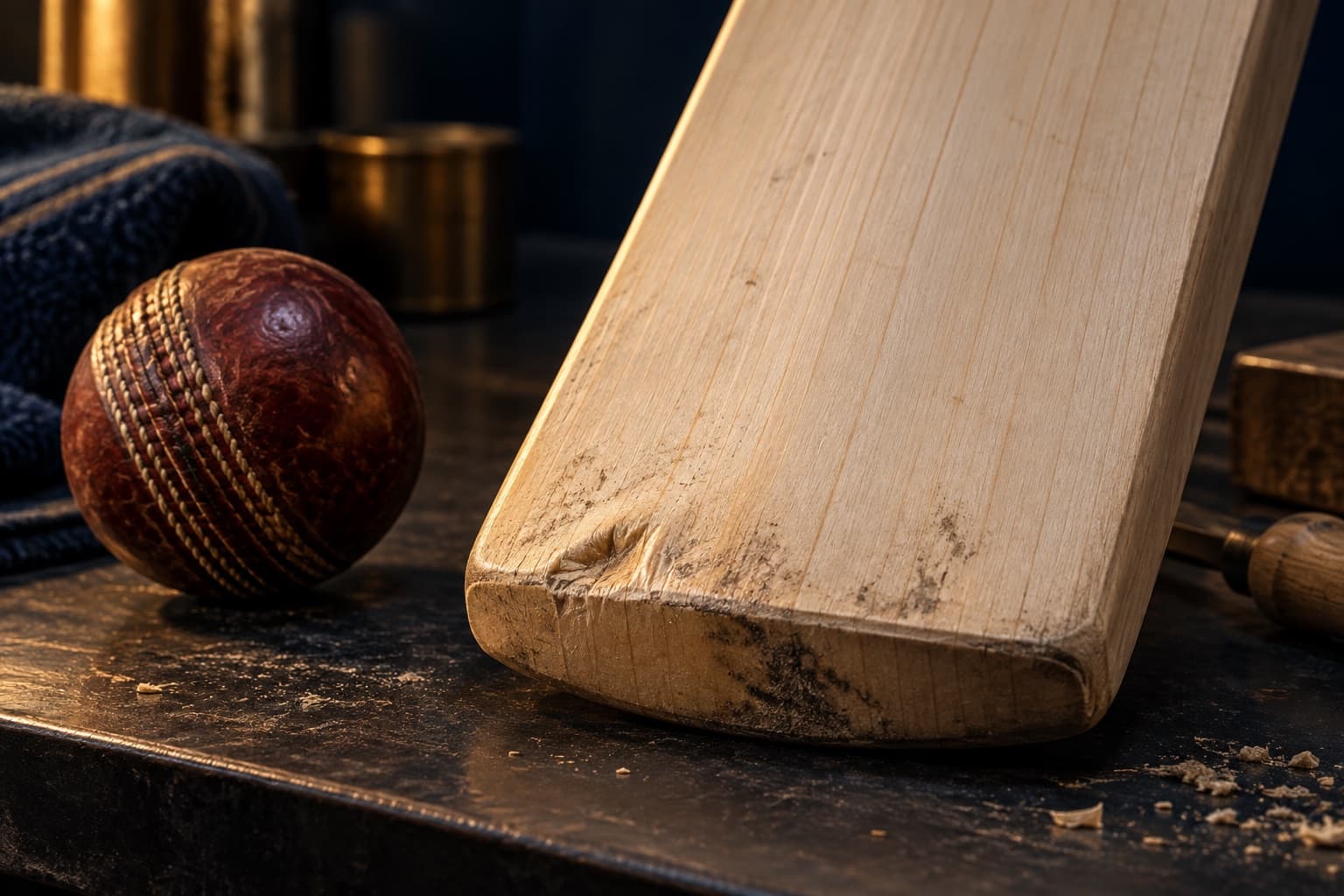
Toe and ground impact
Yorker damage, toe impact, and repeated ground contact are playing damage.
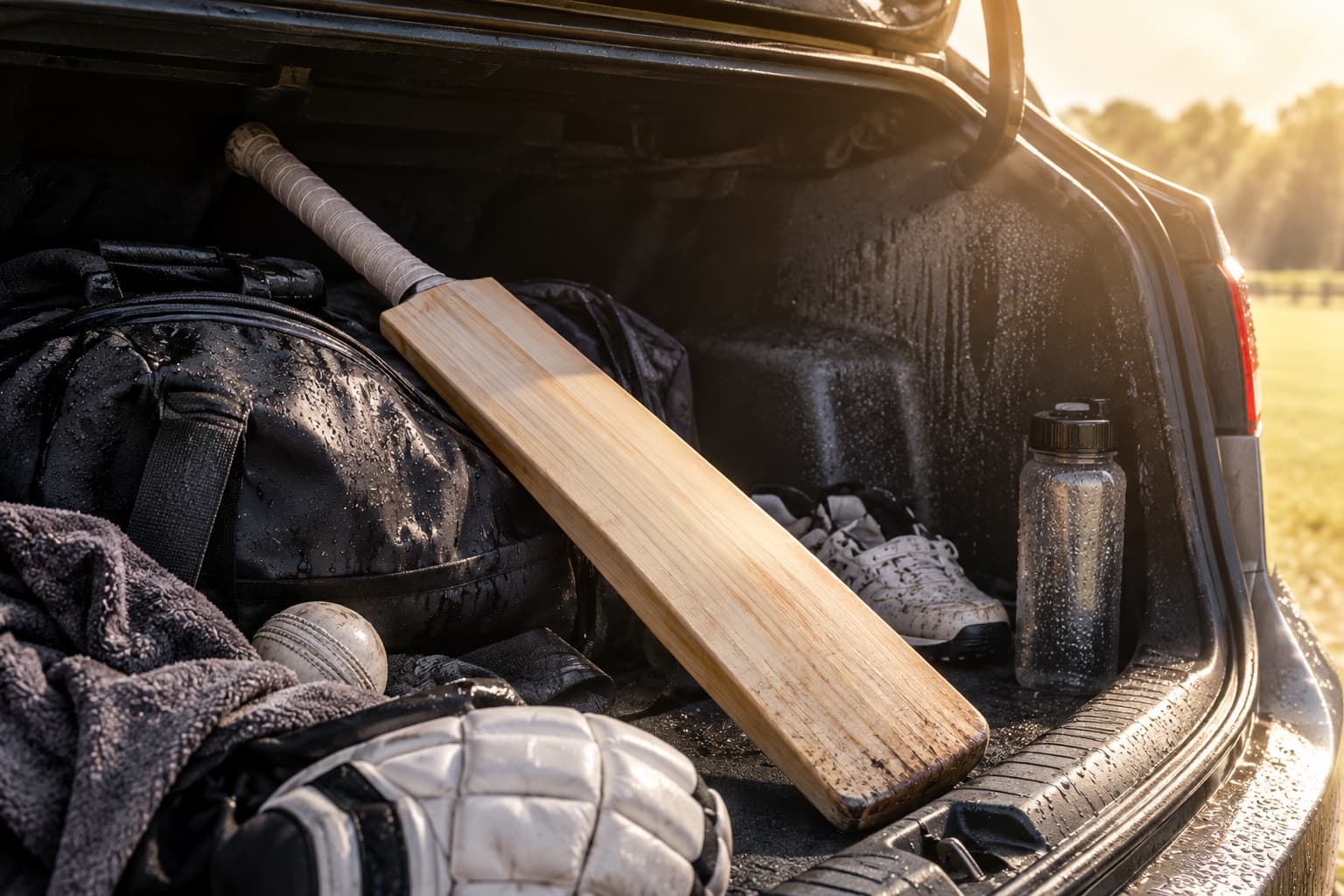
Heat and moisture
Car boots, direct sun, wet kit bags, and damp storage can damage natural willow.
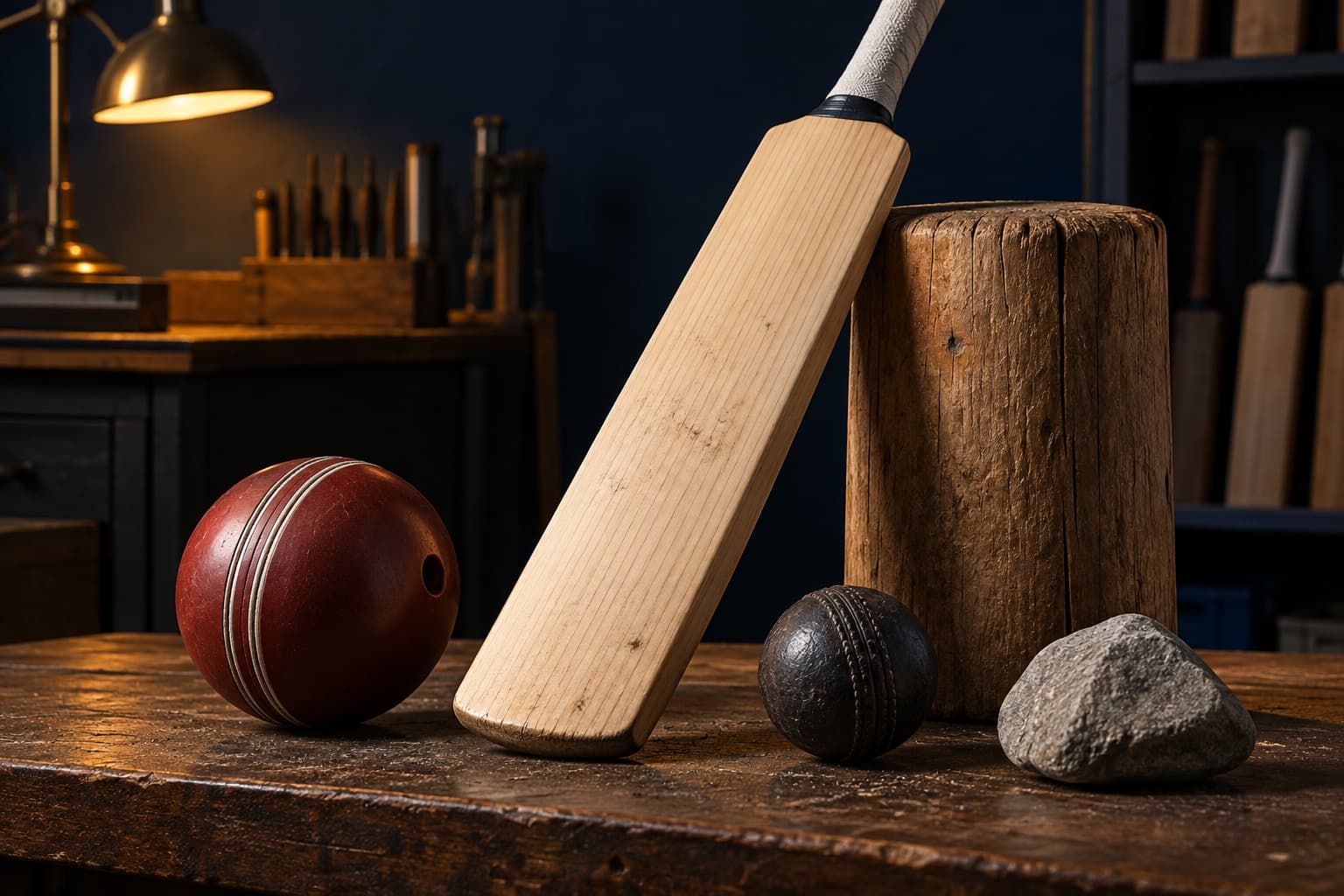
Unsuitable impacts
Stumps, stones, bowling-machine balls, and unsuitable hard balls are outside normal use.
What is normally excluded
- Toe damage from yorkers or repeated ground impact.
- Minor edge cracks, normal dents, or marks from playing-in.
- Damage linked to skipped preparation, inaccurate use, or hitting non-cricket objects.
- Damage caused by moisture, heat, direct sunlight, or poor storage.
- Damage after tampering, weight reduction, profile correction, or unauthorised repair.
How to open a claim
Stop using the bat, keep every part, and email aisports353@gmail.com or call +91 82874 17792 or +91 96670 10575. Include your order number, purchase date, usage details, and clear photos or video. We may need the physical bat sent to us for onward manufacturer inspection. Return shipping, international shipping, and customs costs are handled as confirmed for the individual claim.